
Are You OK? The Question Nobody Asks in Prison
Inside prison, nobody asks if you're OK—so the weight of incarceration gets buried. Ray writes about the pain men carry in silence, and the hope that remains.
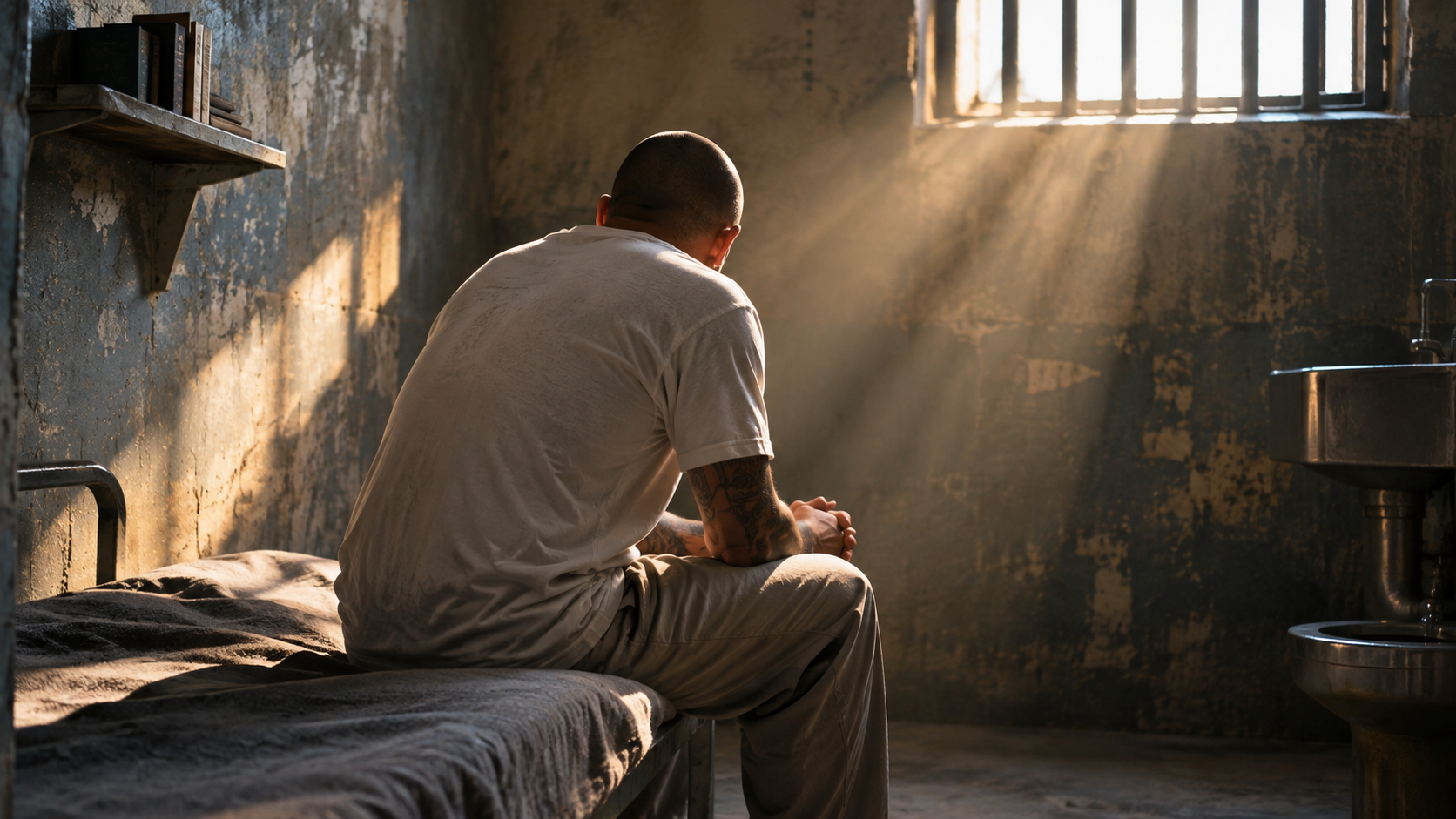
There is one question that isn’t asked, or is seldom heard in prison.
Are you OK?
And the answer is seldom answered. Even if you aren’t OK, you don’t trust anyone to tell them your personal struggles, so most of us internalize or hide things inside.
We carry the pressure, weight, pain, and oppression of incarceration, and prison weighs heavily on you. Year after year, you carry all of the times that you were harassed or belittled by a security officer, the weight of your family not being in contact with you, the weight of a family member dying while you were incarcerated, the weight of the horrible food you’re being fed, the weight of conflict, violence, or any problems with other prisoners, and the weight of being locked away for years, decades at a time.
This weight presses down on you as if you are being squashed, and we don’t have any way of letting go of all this pressure. So the majority explode at the wrong time, others act out, being conflicting toward others, and the rest of us go insane, speaking to individuals who are long passed dead.
So ask me if I’m OK.
The answer is no, I’m not OK.
But I don’t speak to strangers, and this is prison, so it’s best to hide everything inside.
Shall I keep going?
Sometimes I wish I could breathe fresh air, and I mean fresh air outside of this prison. Other times I wish I could see the world outside of this prison cell.
Most of the time, I feel the pain of being incarcerated, locked away inside a box, and I always miss my female friend, my family. Freedom always looks distant to me.
Every day I wake up inside a prison cell. I eat, sleep, and feel pain inside of a prison cell.
I am not able to go to shower on my own. I am not able to walk out of my door on my own free will. My freedom is lost, and this makes me feel like I’m held down by chains, unable to be set free.
Inside, this is what prison feels like, but most don’t talk about these things. They won’t answer the question that simply asks, are you OK?
Days pass, and those days turn into months, and years are added on top of that, and those chains are heavy.
A person once told me, “I’m trying to hold the aggression inside,” and I know completely how that feels. His words were exact, and they were exactly how I feel most of the time incarcerated.
I felt those words inside because the internal layers of incarceration stirred and shifted, a reminder of all the years of incarceration and its oppression.
This is a state of being incarcerated, so who do I ask for help?
The answer is no one, because inside of prison there isn’t anyone who will help you. It’s like I said, you aren’t going to be asked if you’re OK. You aren’t going to be asked if you need help.
In fact, the only thing that you are going to be asked is for your name and TDCJ identification number, because to this prison system you’re only a number, and you’re labeled a criminal punishable by the crimes you committed.
So you aren’t human. You are what we, the prison system, say you are.
Can I ask you a question?
Can you feel my pain? Can you feel the oppression of the prison bars I feel upon me?
Thoughts, questions, doubts that repeatedly flash through my head upon incarceration only weigh me down, and the only thing I have left is hope.