
The Streets Raised Me
Part 1 of Ray's story. With no classroom and no steady home, the streets became his school, his family, and his identity.
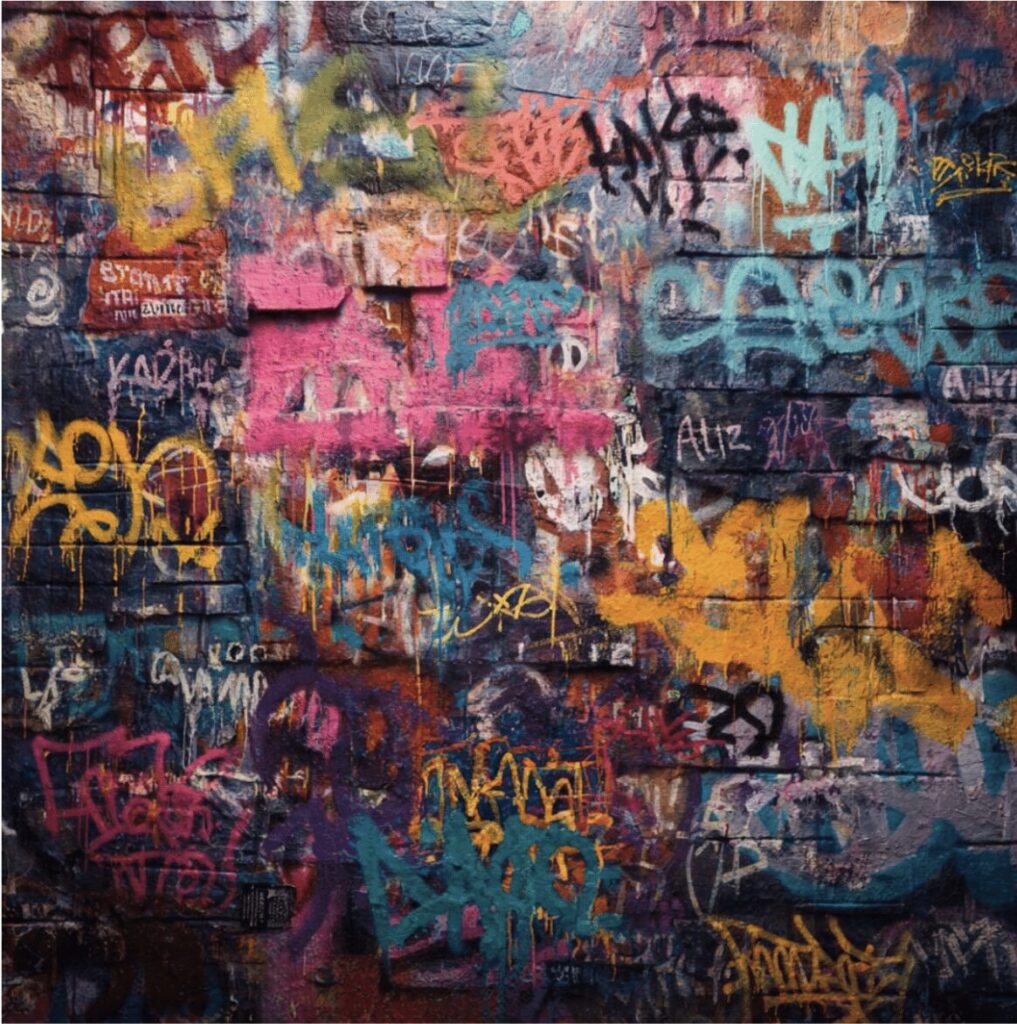
I was just a kid when the streets became my school, my family, and my identity. This is where my story begins—not in a classroom or a loving home, but in an alleyway at night, gun at my side, eyes scanning for enemies. I was raised in darkness, convinced that loyalty to the gang was everything.
This isn’t just a story about the streets. It’s a story about the lies they tell you, the pain you carry, and the long road it takes even to begin to ask: Who am I really?
Here’s where it started…
I walked the streets at night. The time didn’t matter—as long as it was dark enough for me to blend into the shadows. I wore midnight blue clothes, a gun on my waist, and a flag hanging from my pocket. I was a silent storm, just waiting to pass through.
My eyes were bloodshot. Smoke escaped my lips like a dark cloud, part of the storm I carried inside. That was my escape. The streets helped me find a way—because I was lost. Caught in an evil life, though I thought it was the only path that could define me.
I believed the way to find myself was through pain and power. I walked down paths that only led to trouble—territories marked red, enemy zones. But I didn’t care. My life felt meaningless. All I knew was to keep walking. Keep proving myself. For what? I couldn’t say.
I was a broken kid. But nothing stopped me.
Not even incarceration.
Even inside juvenile detention centers, I fought and laughed as guards slammed me against walls, trying to restrain me after I’d attacked a rival gang member. It was funny to hurt someone—especially if they went against what I stood for.
What I stood for was the only thing I held close to my heart. Not even a woman had that place. How could she? I was cold. I didn’t care. Women were tools—used and discarded. Not because I hated them, but because I couldn’t feel anything.Not even for my mother. I was so cold that she thought her only son never loved her.
I kept walking.
With each step on the pavement, I gripped the ridged handle of my pitch-black Glock, tracing the grooves like they were part of me. That gun was supposed to protect. I used it to harm. I justified it by saying I was protecting myself, protecting my gang. But no matter how I explained it, I was wrong. I was inflicting pain—because I was in pain.
It was just me and the gun on the street at night. And destruction was the only way I knew.
This was only the beginning. In the next chapter, I face my gang initiation—a brutal rite of passage that left me bleeding, swollen, but proud. That moment defined me. Until it didn’t.