
War Zone Routine
Every step could be your last. In Part 3, Ray shares the brutal routine of surviving the streets—where paranoia and violence became second nature.
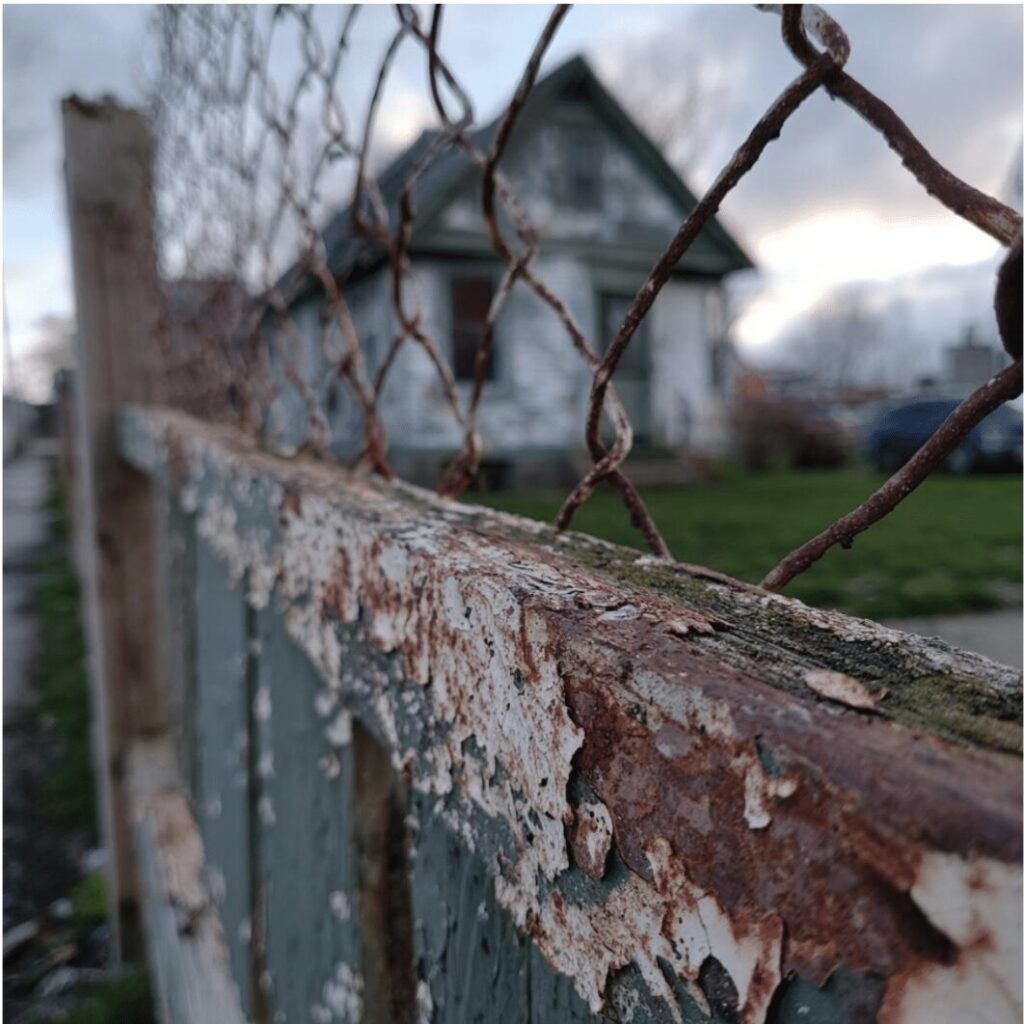
There was no such thing as peace. The streets didn’t sleep, and neither did I. Every corner held a threat. Every alley could be an ambush. But to me, this was normal.
In this chapter, I share what daily life looked like when you’re raised in a war zone—not overseas, but right here, in the neighborhoods where kids learn to survive instead of grow.
Art was far from my mind.All I knew was how to live like a gangster. Every day, my feet hit the concrete with one question lingering in the back of my mind: Will this be the day I die?
I checked my gun constantly, like a soldier inspecting his gear. Safety off. Fully loaded. I did it over and over again—not because I doubted myself, but because the streets didn’t give second chances. Paranoia became a habit.
I scanned everything. My surroundings. My path. Every car, every alley. I moved with purpose, but always braced for the unexpected. On this day, I ran toward an abandoned house—falling apart but still standing. It looked like me. Damaged. But still here.
I jumped the fence and crouched in an alleyway. Trash lined the ground. A dead dog lay bloated and stiff, buzzing with flies. The stench didn’t even faze me. It was just part of the scenery.
This alley wasn’t just a shortcut. It was a calculated detour—a route to avoid the cops. That was routine. Every move I made was a survival calculation.
Up ahead, a house with a high fence and razor wire stood like a fortress. A man sat on the porch with an AK-47 in his lap. I gave him a hand sign. No nod. No words. He whispered into a device, stood up, checked his strap, and came down to unlock the gate.
Before I could enter, he stopped me with a hand to my chest and scanned me with a metal detector. He found my gun and clips and confiscated them. I clenched my jaw but said nothing. I’d get them back later.
I was here for business. Buy. Leave. Move on.
Inside, cameras watched every angle. I was pointed toward a man behind a desk covered in drugs and guns. No smiles. No small talk. Just numbers. A quick exchange. Then I was escorted out. As I left, the man with the AK tapped my shoulder and nodded.
Later, I’d find out he was a rival.
The irony? That rival would soon become my friend.
What started as a routine transaction evolved into something more profound. A simple nod turned into trust. And a rivalry turned into friendship—one that changed everything.
Part 4 coming soon…